
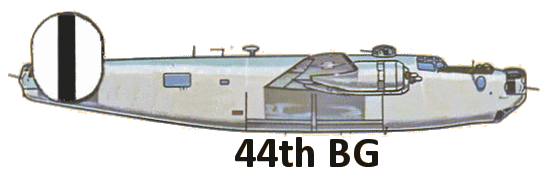
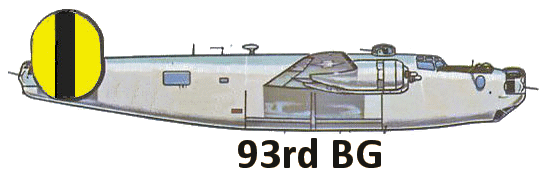
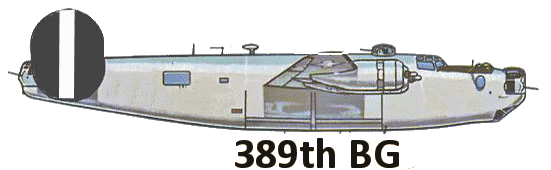
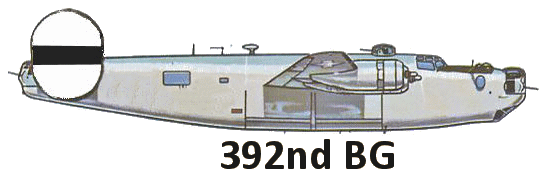
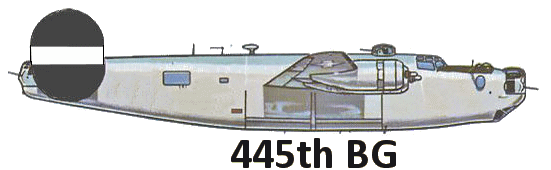
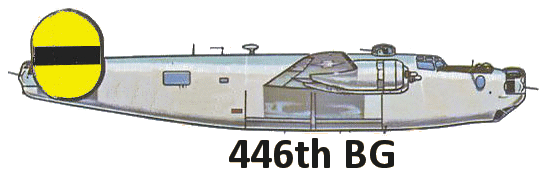
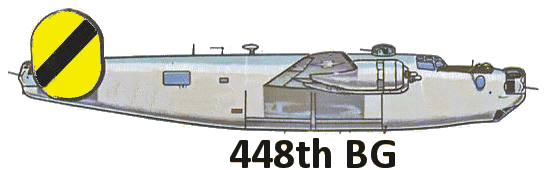
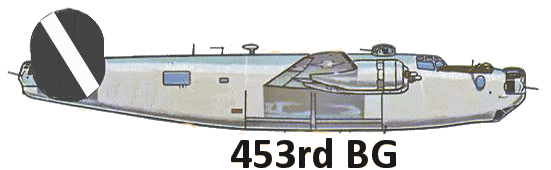
(Click on aircraft image below for individual group history)
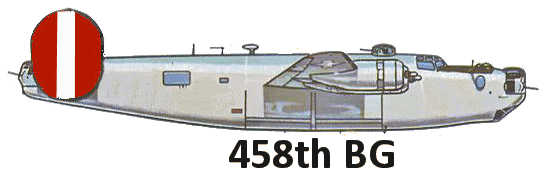
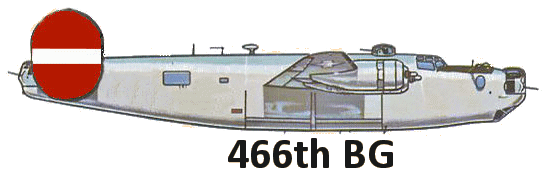
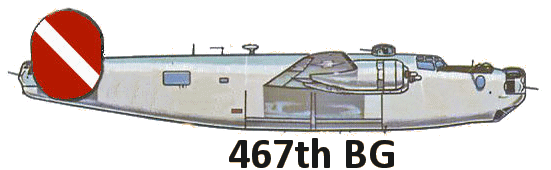
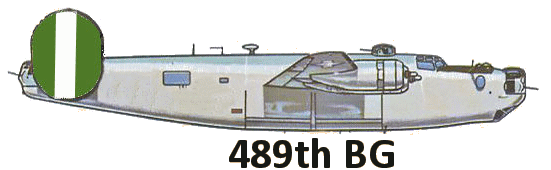
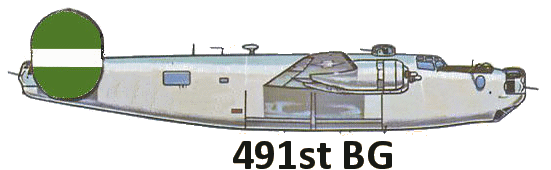
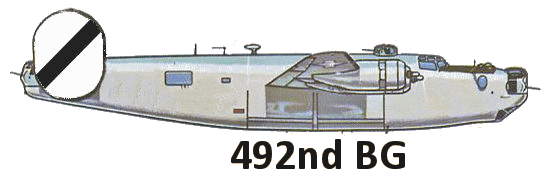

The story of the Second Air Division’s bomb groups in World War II is one of courage, precision, and relentless determination in the face of extraordinary danger. Formed as part of the United States Army Air Forces’ strategic bombing campaign in Europe, the Second Air Division became one of the key components of the Eighth Air Force, operating primarily from bases in eastern England. Its mission was clear yet daunting: carry the air war deep into Nazi-occupied Europe and Germany itself, striking critical industrial, military, and transportation targets that sustained the enemy’s war effort.
Flying the iconic B-24 Liberator, the bomb groups of the Second Air Division distinguished themselves through long-range missions that often pushed both aircraft and crews to their limits. These missions were not only physically demanding but also intensely hazardous. Crews routinely faced heavy anti-aircraft fire, known as flak, and aggressive interception by enemy fighters. Survival depended on tight formation flying, disciplined coordination, and mutual trust among airmen. Despite these risks, the division maintained an impressive operational tempo, contributing significantly to the Allies’ ability to weaken German infrastructure and hasten the end of the war.
Over the course of the war, the division flew tens of thousands of combat sorties—commonly estimated at over 70,000 individual aircraft sorties. These missions targeted a wide range of strategic objectives, including aircraft factories, oil refineries, rail networks, submarine pens, and military installations deep inside Germany and occupied Europe. In total, the division dropped hundreds of thousands of tons of bombs, contributing significantly to the Allied strategic bombing campaign aimed at crippling Germany’s war-making capacity.
The human and material cost was substantial. The Second Air Division lost approximately 2,000 aircraft during combat operations. Crew losses were correspondingly severe, with over 14,000 airmen killed, wounded, or captured. Loss rates on some missions could exceed 5%, which was considered extremely dangerous—statistically meaning that completing a full combat tour of 25–30 missions was far from guaranteed.
At its peak strength, the division consisted of 14 bomb groups, each typically operating around 40–60 aircraft. These groups included well-known units such as the 44th, 93rd, and 389th Bomb Groups, among others. Collectively, they operated from a network of airfields across East Anglia, forming one of the largest concentrations of heavy bombers in the world at the time.
Beyond the statistics of sorties and tonnage dropped lies the human story that continues to captivate historians and enthusiasts alike. The men of the Second Air Division came from diverse backgrounds, yet they shared a common bond forged through training, hardship, and shared purpose. Many were barely out of their teens, suddenly thrust into a high-stakes environment where each mission could be their last. Their letters, diaries, and personal accounts offer powerful insights into the emotional and psychological realities of aerial warfare—fear, camaraderie, loss, and resilience.
In terms of effectiveness, the division played a key role in major campaigns such as the Combined Bomber Offensive and operations supporting the Normandy landings. Their missions helped degrade German industrial output, disrupt transportation networks, and weaken defensive capabilities ahead of the Allied invasion of Western Europe.
The Second Air Division was both a powerful instrument of Allied victory and a formation that endured heavy sacrifice. For historians and enthusiasts, the numbers provide a framework—but the full story emerges when those figures are paired with the individual experiences of the crews who flew these dangerous missions.
Today, interest in the Second Air Division bomb groups endures not only because of their military achievements but also because of the legacy they left behind. Museums, memorials, and preserved airfields in both the United States and the United Kingdom continue to honor their service. For those drawn to aviation history, World War II studies, or stories of human endurance, the Second Air Division provides a compelling and deeply meaningful chapter—one that invites exploration, reflection, and remembrance.